
Trading Routine: Preparation, Execution and Review
Updated: 6 days ago
Trading Routine highlights how preparation, discipline and decision-making affect trading outcomes. Psychology matters most when it supports a tested method, predefined risk and consistent execution.
In This Guide
Key lessons and practical rules
The original Financial Wisdom guide and media
Evidence, limitations and risk controls
Frequently asked questions
Related guides and authoritative sources
Key Takeaways
Judge decisions by process as well as short-term outcome.
Use written rules to reduce emotional improvisation.
Review mistakes with a journal and measurable evidence.
Discipline cannot rescue a method without positive expectancy.
Original Financial Wisdom Guide
Background and Core Ideas
How to build a trading routine.

Just like many other occupations, trading also requires you to follow a fixed routine. For any trader, trading randomly, without a routine, is akin to gambling or throwing darts.
Trading randomly = Random unrepeatable results.
Trading routines are different for different kinds of traders. A day trader’s routine will be a lot different than a swing trader’s routine, which will be a lot different than a positional trader’s routine.
Similarly, the level of research required for each form of trading will also be different. Some forms require looking at hundreds of charts every day, while some require the same chart analysis but only on the weekend at market close..

No matter how good a trader you think you are, if you do not prepare well for each trading period, sitting on the screen for all the trading hours will also be of no use. Trading is not just about placing buy and sell orders, in fact, the orders are the simply the outcome of research that you do every period.
To be great at anything you need practice and trading is no different.
How to build a trading routine.
As stated earlier, one routine can’t be applicable to all kinds of traders.

Practical Checkpoint
Define the setup, entry and invalidation level before acting.
Compare the potential payoff with risk-reward planning.
Set the trade size using consistent position-sizing rules.

Rules and Practical Application
If you are a day trader, you would want to create a routine starting from pre-market reading to post-market analysis.
You would:
● have your economic calendars ready and updated,
● have a list of securities that you would trade during the day,
● have your entry triggers and stop losses determined,
● have separate plans for early trading hours and late trading hours, and
● work towards strengthening the risk management aspect in different market conditions
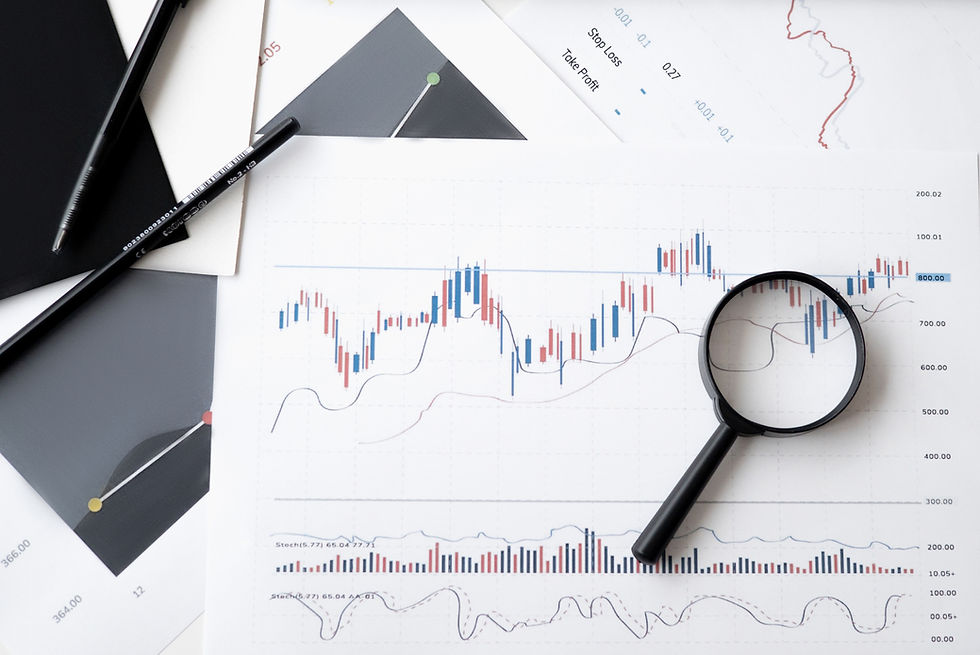
As a swing trader, on the other hand, you would have a different schedule.
You would:
Evidence Check
Is the sample broad enough to include difficult markets?
Do the results include spreads, fees, slippage and failed signals?
Could hindsight, survivorship or selective examples explain the result?
Evidence and Examples
● review hundreds of charts everyday post markets
● create different screens to identify potential trading candidates
● read about macro and micro-events like earnings
● create and update the watchlist on a regular basis
● create alerts to put in trades when the entry conditions are met
● do post-analysis of trades to identify mistakes
● work on the risk management aspect of trading
A positional trader might have parts of the routine that will overlap with that of a swing trader and would also have some elements of qualitative research as the holding period of a positional trader is higher and so is the level of conviction required in a trade.
Apart from daily routines on trading days, traders also have weekend routines to go through their screens and trades when the markets’ tickers are silent. Spending a couple of hours on the weekend further prepares you for the upcoming week.
Risk and Limitations
The importance of discipline in following the routine

Great traders are also quite disciplined in their routines
Full-time trading requires you to be at the top of your game to make a sustainable living. Most new traders are quite disciplined and are frequently on the drawing board when they hit a streak of losses, but forget about their routines when they are making money.
If you are undisciplined and lax about things when the going is good, you will ultimately end up giving back a lot of your gains, and possibly more, when the tide turns.
Like with any other business, you can’t get away with not doing the necessary chores to create a reliable source of income.
To develop this discipline, you must identify the parts of research that you will do every day without fail. If you have no clue of which parts to focus on, read about the routines of successful traders who trade your style.

Even when you have a bad start in trading and you keep on it with discipline, you will become great at some point.
The most important element which requires immense focus in trading is risk management.
All great traders blew their accounts early on because they lacked discipline in risk management.
Summary of the Original Guide
They either refused to cut losses or traded too big on leverage that wiped their trading account off. If you inculcate a risk-first approach in trading, that will save you a lot of pain upfront.
Give it some time

There is a grind in every trader’s life before achieving success. Developing the routine will be the most essential part of the grind. You will go through a lot of unnecessary processes at first to identify the tasks that really matter.
You will develop the ability to go through hundreds of charts in an hour, which, early on, will take much more time. You will develop the Hawkeye required to identify tradable opportunities in the sea of information.
All this takes time and it’s natural for a newbie to get overwhelmed and find an easy way out. But there is no easy way out. The initial grind builds a strong trading foundation that may take a couple of years or more to build but works for a lifetime.
So, keep yourself motivated when you are burned out. There is a lot less competition at the top and too much competition in the middle. Only those who work relentlessly move up from mediocrity to greatness.
The Final Word
If you treat trading as a hobby and work accordingly, you will end up paying a lot for it, as most hobbies cost money. There are no shortcuts and you have to work hard to succeed in trading.
A good trading routine and perfect trading practice can take you places. The key is to persevere and keep working hard.
Summary of the Original Guide
A routine takes out recklessness from trading and you get to understand that it’s a long-term game where playing great defence is much more important than playing great offense.
Great traders are a countable few and they have become great learning from other traders and from their own mistakes. The more seriously you take these lessons, the more likely they will go into your routine and become an integral part of your day-to-day thinking.
Your job is to make it easier for yourself to learn and grow to greatness in trading. If you develop the right routine, it can be much faster than you can imagine, even faster than many great traders you admire.
Having a defined strategy will be integral to your routine.
My 15 page rule book (PDF) is available available for all members to use.

My Breakout Scanner - https://bit.ly/3ea6sl8
My Forum - https://www.financialwisdomTV.com/forum
My Strategy Blueprint - https://www.financialwisdomtv.com/plans-pricing
My Brokerage Account (Interactive Brokers) - https://bit.ly/3HVA1nc
Practical Limitations
Historical examples, book claims and indicator results are educational illustrations rather than forecasts. Outcomes depend on the market, timeframe, data, transaction costs, financing, taxes and execution assumptions. Test complete rules across varied conditions and define the maximum acceptable account risk before taking a position.
Put This Into Practice
These ideas become more useful when selection, entry, stop placement, position sizing and trade management form one repeatable process. The Financial Wisdom Trading Blueprint connects those decisions in a practical weekly framework.

Frequently Asked Questions
Can discipline alone make a trader profitable?
No. Discipline helps execute a valid method consistently, but it cannot create an edge where none exists.
How can trading behaviour improve?
Use written rules, position limits, a decision journal and regular reviews based on a meaningful sample of trades.
Further Reading
References and Further Reading
Educational information only. Trading and investing involve risk, including the possible loss of capital. Examples are illustrative, not guarantees of future performance, and nothing in this article is personalised financial advice.
About the Author
Written by Gareth, MBA
Gareth, founder of Financial Wisdom, has more than 30 years of personal trading experience. He competes in the United States Investing Championship, creates award-winning trading content and has been featured in Technical Analysis of Stocks & Commodities.


Comments